Firefox’s new ad targets web revival enthusiasts. It is already the default browser on most linux distros. However, it still comes with Google as the default search engine. A deal that keeps the lights on for them and helps Google maintain the illusion of ‘users having choices’.

EmDash 1.0 and the Early Days of WordPress
EmDash, the so-called successor to WordPress, just released version 1.0. It is a Cloudflare project, the company that runs a big part of the modern internet’s backbone with…
Jev is a new AI model making waves on social media. If you are a non-developer, here is an excellent explainer on why it is different and what all the fuss is about.
To summarize, most frontier AI models like Claude, ChatGPT, Gemini, spend a lot of tokens to answer like humans.
Jev skips that and provides answers in structured data usable by computer programs, software, and coding agents. This means it can reply faster and save costs.
To be honest, I haven’t tried it yet, and I am still unable to understand how I can use it.
Discovered Syncthing, a little program that helps you securely sync files between two or more computers. Let’s say you work on two machines and want files between those machines to have the same data anytime you login. You can resume work without even thinking and all your files will sync in real time.

How People Will Be Using WordPress in the Future
I have spent a significant portion of my career as a WordPress educator. I have been writing exclusively about the software and the ecosystem for the last 14…
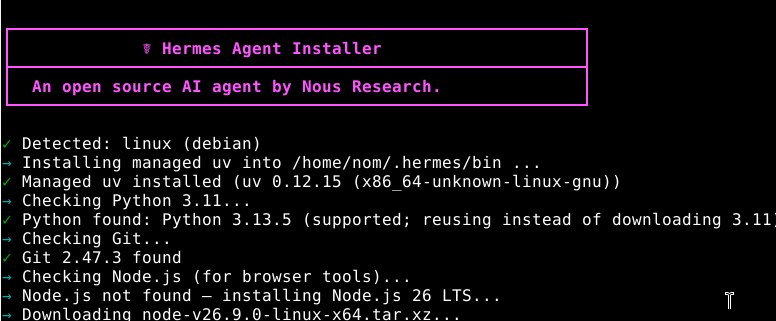
I don’t want to sound like AI Bros who are always bragging about how many agents they have running. This experiment is to compare whether a persistent memory manager like Hermes Agent can beat the manually curated memory system that I have built. I have been delaying it for a while, because it would mean working in two different context zones. But I am really curious to see the results.
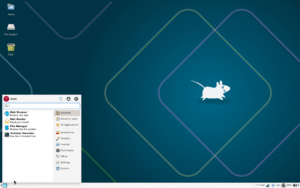
Debian XFCE, Web Revival, and Free Software
Today I installed Debian-XFCE after after 19 years. Last time I tried it was in 2007. It is still cute, fast, and endlessly customizable. Linux has come a…